

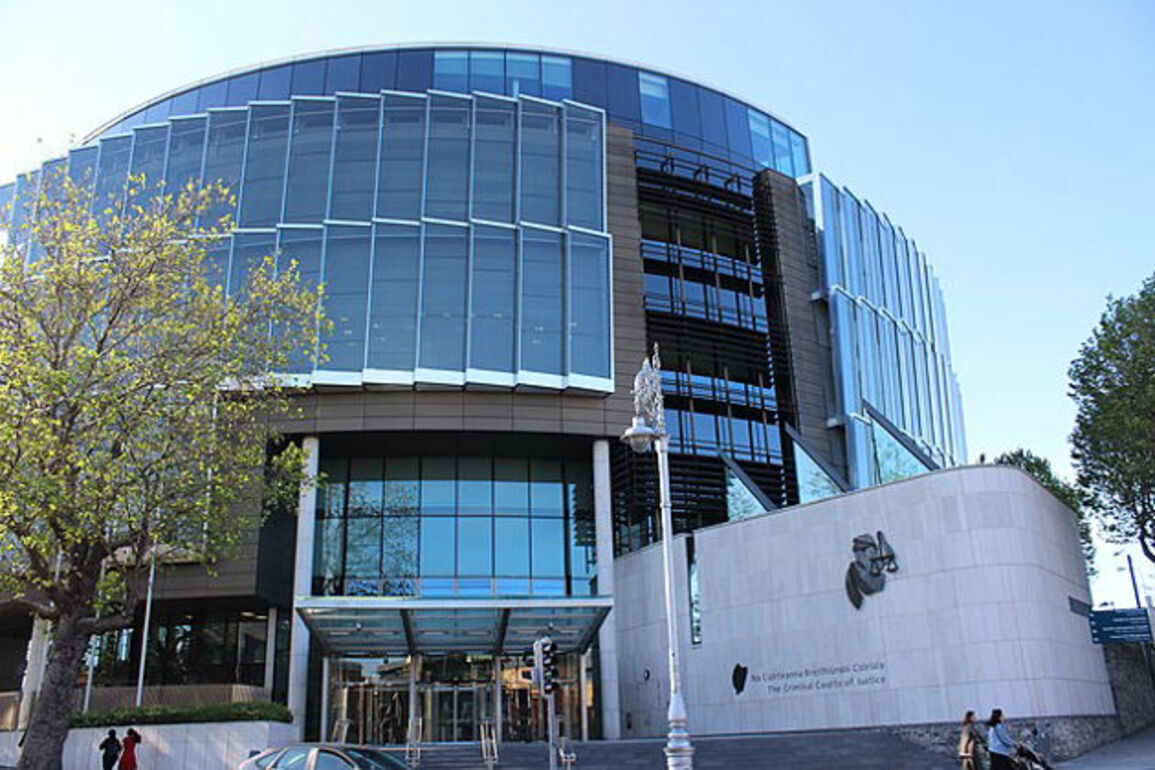
DUBLIN, Ireland: The Court of Appeal upheld the decision to extradite two men to Northern Ireland for offences related to the murder of an RUC officer 50 years ago, but it allowed the men to appeal to the Supreme Court, thus effectively staying their extraditions.
John Edward McNicholl (73), from Newmills in Letterkenny, Co Donegal, and Seamus Christopher O'Kane (74), from Scalestown in Dunshaughlin, Co Meath, are wanted in the United Kingdom.
They are accused in connection with an investigation into the INLA killing of 25-year-old Constable Robert John McPherson in Co Derry on July 26, 1975, as well as the attempted murder of another police officer.
McNicholl is charged with murder and attempted murder. O'Kane is charged with having firearms, including a police weapon, taken during the attack on Constable McPherson.
These weapons were later found during a police operation on February 16, 1976, in Garvagh, Co Derry.
Both men escaped from the Maze Prison in May 1976 through a tunnel before they could be put on trial.
O'Kane has lived openly in the Meath area for nearly 50 years. McNicholl, who was deported from the United States, has been living in Ireland since 2003.
Earlier, High Court Judge Patrick McGrath said there was no proof the men would not get a fair trial in Northern Ireland. He also said the delay in issuing warrants was not a valid reason to refuse to send them back.
On March 16, Court of Appeal Judge Alex Owens said the long delay in seeking a warrant showed poor administration in Northern Ireland. However, he said this was not enough reason to refuse the extradition request.
He explained that the court cannot reject a request just because the UK did not explain why it acted late. The men's lawyers had argued that the delay showed an unfair legal process.
But Owens said the delay alone is not enough unless it breaks rights under the Constitution or the European Convention.
He also rejected claims that extraditing the men would violate their rights because they have lived normal lives for many years. He said that as fugitives, they had no right to expect permanent protection.
The judge added that getting married, raising families, owning homes, or living ordinary lives does not remove Ireland's duty to follow its extradition agreement with the UK.
He also said that arguments about the men's health were not serious enough to justify refusing extradition.