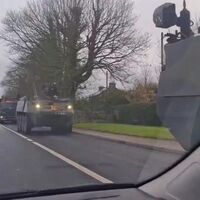


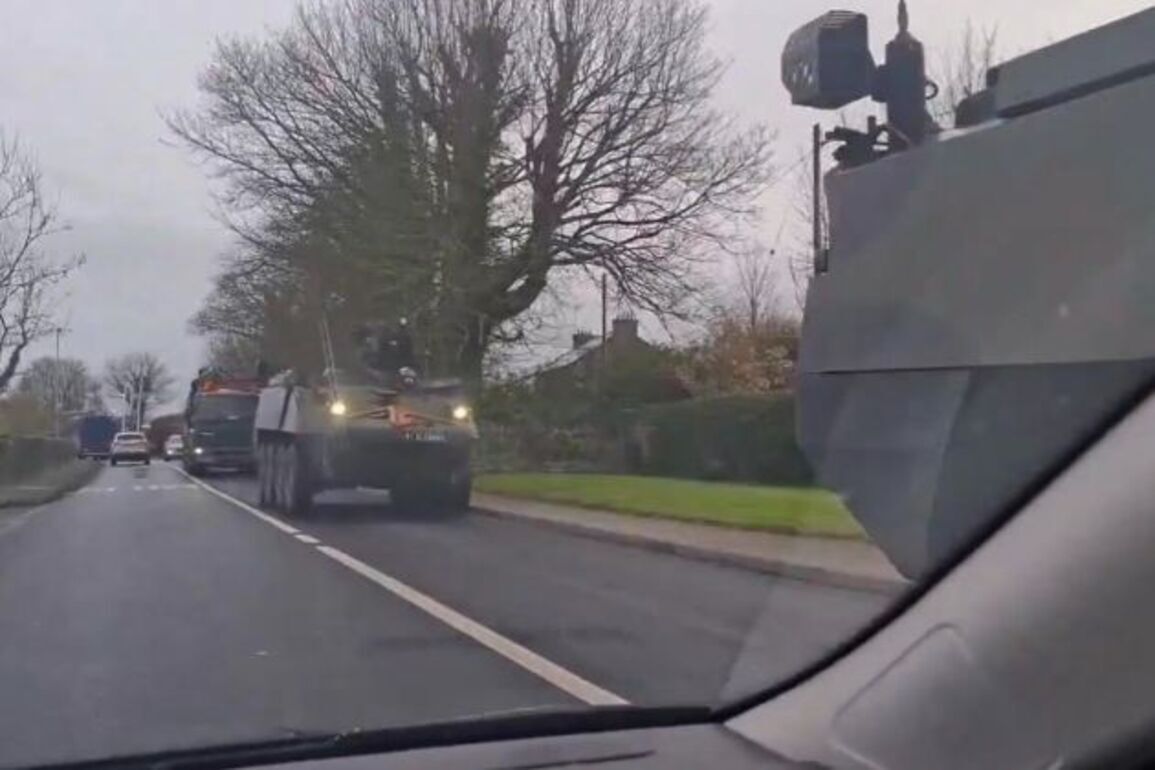
DUBLIN, Ireland: Defense forces were deployed to control protests over the government's handling of rising fuel prices, with major roads and even a refinery blocked by agitators.
Fuel prices for petrol, diesel, and "green diesel" have risen sharply due to the war in the Middle East, which has disrupted supplies through the Strait of Hormuz.
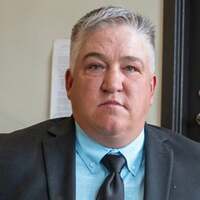
On April 9, defense forces were called in to control protests that showed no signs of abating. Acting Deputy Garda Commissioner Paul Cleary said the defense forces will have only a small and practical role in dealing with the fuel protests.
He told reporters that An Garda Síochána is still fully in charge of policing the situation. Any help from the defense forces will support the police and will be limited to practical tasks.
He explained that there are clear procedures allowing the police to request assistance from the defense forces when needed, and that is what has been done in this case. However, the police will continue to lead the operation.
About two weeks ago, the Irish government introduced measures to reduce fuel costs. These included temporarily cutting fuel taxes, expanding diesel rebates for transport operators, and extending fuel allowances. This lowered prices by about 17 cents for petrol, 22 cents for diesel, and 5 cents for green diesel, but the benefits were mostly lost as the war continued.
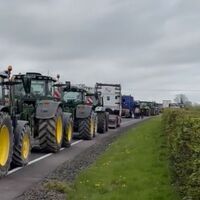
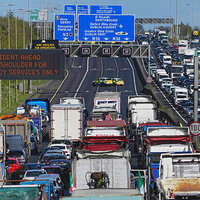
On April 7, several organized protests took place across the country. These included slow-moving convoys on highways and road blockages in Dublin and other cities. Truck drivers and farm contractors used large vehicles, such as trucks and tractors, to disrupt traffic.
The protests continued on April 8 and became more serious, with blockades at fuel depots and the Whitegate oil refinery in Cork. Prime Minister Micheál Martin called this "an act of national sabotage."
Other government leaders, including Simon Harris and Jim O'Callaghan, stressed the importance of access to fuel depots and warned of consequences for illegal actions.
Martin also said it was unacceptable that protesters turned Dublin's main street, O'Connell Street, into a traffic jam using tractors. Many buses were parked along streets, and some normally busy roads were empty.
A protest spokesman, John Dallon, said the situation could calm down if the government agreed to meet him and two others. He said protesters would only leave the streets if they were promised a meeting, but warned that tensions could rise again if they were not satisfied.
Senior government officials said they would continue talks with official groups and monitor the situation.
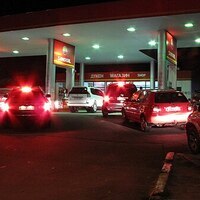
Protests were also reported in more than 20 other locations across the country. The head of Fuels for Ireland said that two fuel depots in Limerick and Galway were blocked, potentially affecting fuel supply to petrol stations.
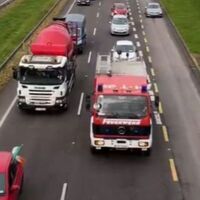
The Garda Síochána and emergency services, such as the Dublin Fire Brigade, reported delays and disruptions due to the protests.
Some members of the public also said they missed hospital appointments due to the traffic problems.