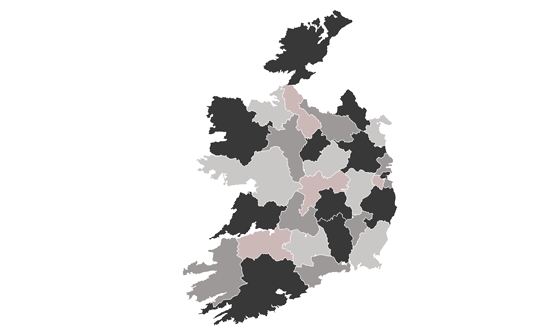



BRUSSELS (AFP) - Traditional crafts from French Limoges porcelain to Irish Donegal tweed became entitled to EU protected status as of Monday - on a par with agricultural products from Champagne to Parma ham.
Europe's glassblowers, potters, jewelers and more will be able to register their product names under the bloc's new geographical indication scheme for craft and industrial goods, extending the well-established system used for food and drink.
Under a law adopted in 2023 and taking effect Monday, the system offers protection for "iconic goods such as Bohemian glass, Limoges porcelain, Solingen knives and Donegal tweed, whose reputation and quality stem from their place of origin," the European Commission said.
Geographical indications are intellectual property rights that link a product's qualities, reputation or features to its place of origin, the commission said.
Craftspeople and the European Parliament have long pushed for the extension of geographical indication labels to non-food products in a bid to fight counterfeiting and support the sectors concerned.
The law draws on more than 30 years of experience with agricultural geographical indications, which safeguard over 3,600 names, generate around 75 billion euros ($87 billion) annually and account for some 15% of EU food and drink exports, according to Brussels.
The registration process for regional crafts will take place in two stages: first at national level, then at EU level.
"We are not only safeguarding the unique skills and traditions of our artisans, but also creating new opportunities for growth, jobs and many SMEs," said the bloc's industry chief Stephane Sejourne.
-
By Agence France-Presse
Source: Courthouse News Service